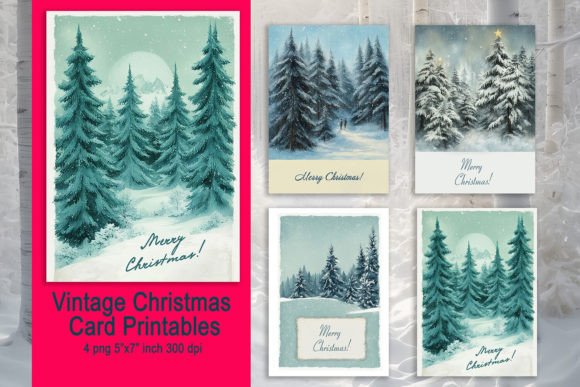
Xmas Presents Christmas Card Illustrations Review
As a graphic designer who spends most of my week balancing client expectations with tight deadlines, I approach every new graphic design asset with a mix of curiosity and skepticism. We all know the drill: a seasonal campaign is looming, the brand identity needs a festive refresh, and we need visuals that feel authentic rather than generic. Recently, I evaluated the Xmas Presents Christmas Card collection for a potential client project involving a boutique handmade goods store. My goal was to determine if these Illustrations could elevate their holiday marketing or if they would get lost in the noise of typical seasonal clipart.
First Impressions: Mood and Visual Style
The first thing that struck me about the Xmas Presents Christmas Card assets was their warmth. In an era where minimalism often strips away personality, these illustrations retain a charming, handcrafted feel. The visual mood is cozy and inviting, perfectly suited for brands that want to evoke nostalgia and comfort. The style leans towards a modern yet traditional aesthetic, making it versatile enough for both digital screens and physical print materials. For a small business owner or a marketer, this immediate emotional connection is crucial. It does not just decorate; it communicates a feeling of generosity and celebration, which is exactly what you want your audience to feel during the holidays.
Real-World Application in Client Projects
I tested these assets across several mockups to see how they perform in real design situations. For a local bakery launching a holiday cookie box, the Xmas Presents Christmas Card elements worked beautifully on the packaging design. The intricate details of the presents and ribbons added a layer of perceived value to the product. When scaled down for product labels, the lines remained crisp, provided the file format was high-resolution PNG or vector-based SVG.
Beyond packaging, I explored their use in social media graphics. For Instagram posts and Pinterest pins, these illustrations served as excellent hero graphics. They grabbed attention without overwhelming the caption text. I also integrated them into a Canva template for a client who manages their own marketing. The ease of dragging and dropping these elements into pre-made layouts saved hours of design time. For Cricut users and crafters, the clean edges of the designs make them ideal for sticker design and iron-on transfers. Whether you are creating t-shirt design concepts for a family reunion or custom sublimation design for mugs, the versatility here is evident.
Strategic Placement and Visual Hierarchy
Understanding where to place these assets is key to maintaining visual hierarchy. The Xmas Presents Christmas Card illustrations work best in large layout areas where they can breathe. Using them as central focal points on flyers, invitations, or posters allows the viewer to appreciate the detail. They also function well as decorative accents in editorial design, such as breaking up text in a holiday newsletter or blog post.
However, caution is needed in crowded layouts. Because these illustrations are rich in detail, placing them against complex backgrounds or near heavy typography can create visual clutter. I found that they perform poorly when scaled too small, such as in a website favicon or a tiny footer icon. In those cases, the details merge, and the image loses its impact. For web design, ensure you are using optimized file sizes to maintain load speeds without sacrificing quality. Always test contrast on both light and dark backgrounds; while they look stunning on white or cream paper, they may need a drop shadow or outline to pop against darker web backgrounds.
Brand Consistency and Professional Polish
One of the biggest challenges in seasonal design is maintaining brand consistency. You do not want your holiday visuals to look like they belong to a different company. The Xmas Presents Christmas Card assets are neutral enough in color palette to allow for easy customization. By adjusting the hues to match your client’s brand colors, you can integrate these Illustrations seamlessly into their existing brand identity. This level of adaptability is rare in off-the-shelf digital products.
When paired with the right typography, these assets enhance professionalism. I experimented with pairing them with a clean sans serif font for a modern look and a classic serif font for a more traditional vibe. Both combinations worked, but I avoided overly decorative script fonts or handwritten fonts that competed with the illustrative details. The goal is to let the illustration speak while the text informs. This balance builds visual trust and ensures the final output feels polished and intentional, rather than slapped together.
Practical Designer Notes and Technical Checks
Before committing to any commercial design project, there are technical steps every designer must take. First, always confirm the commercial license terms. Whether you are selling Etsy products, running a print-on-demand shop, or delivering assets to a corporate client, knowing your usage rights is non-negotiable. Most reputable marketplaces provide clear guidelines, but double-checking prevents legal headaches later.
Next, inspect the file formats. If you are working with vinyl cutters or laser engravers, you need a clean SVG design. Check the nodes and paths to ensure there are no stray points that could cause cutting errors. For digital use, verify the transparency of the PNG design. A jagged edge or white halo around the illustration can ruin a professional look. I recommend testing the asset in black and white first. If the design holds up without color, it has strong structural integrity. This is particularly important for logo design adaptations or monochromatic print jobs.
Finally, consider the context of your creative marketplace audience. If you are a digital seller creating a design bundle, these Xmas Presents Christmas Card elements can be the star attraction. Combine them with complementary patterns or textures to create a cohesive collection. For small business branding, use them consistently across all touchpoints—from email headers to physical thank-you cards. This repetition reinforces brand recognition and creates a memorable customer experience.
Final Verdict for Designers and Creators
In conclusion, the Xmas Presents Christmas Card is a robust addition to any designer’s toolkit. It bridges the gap between whimsical charm and professional utility. For marketers, it offers engaging visuals for marketing visuals and ads. For crafters and Cricut users, it provides ready-to-cut art for handmade gifts. And for brand owners, it offers a way to humanize their small business branding during the critical holiday season.
While it requires careful handling regarding scale and placement, the payoff is a design that feels personal and high-quality. Whether you are creating a single printable design for a friend or a full-scale campaign visuals suite for a retail client, these Illustrations deliver. They remind us that good design is not just about aesthetics; it is about connection. And in the holiday season, connection is everything.