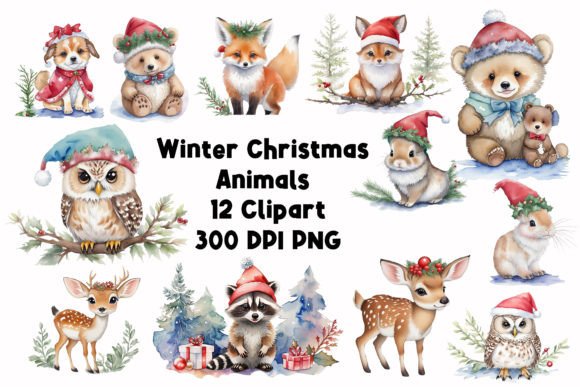
Reviewing Watercolor Christmas Animals Sublimation for Embroidery
As a designer who has spent years translating digital art into thread, I approach every new machine embroidery design with a mix of excitement and skepticism. We have all been there: you download a stunning graphic, load it onto your machine, and watch in horror as the delicate gradients turn into a tangled mess of broken threads. That is why when I first encountered the Watercolor Christmas Animals Sublimation collection, my immediate question was not about how pretty it looked on screen, but how it would survive the needle.
This review is not just about aesthetics. It is about practical application for Etsy sellers, craft business owners, and hobbyists who need to know if this asset will hold up in a real-world embroidery project. I tested these visuals against the harsh realities of fabric texture, hoop limitations, and customer expectations to see if they truly belong in your commercial toolkit.
The First Impression: Mood and Visual Personality
The initial appeal of Watercolor Christmas Animals Sublimation lies in its softness. Unlike the rigid, vector-heavy clipart that dominates the holiday market, these illustrations breathe. The watercolor technique introduces organic edges and gentle color bleeding that evoke warmth and nostalgia. For a designer, this is a double-edged sword. Soft edges are beautiful in print, but in embroidery, they require careful handling to avoid looking muddy.
The theme centers on classic holiday fauna—deer, foxes, and bears—rendered in a whimsical, storybook style. This visual personality fits perfectly into the current trend of "cottagecore" and gentle parenting aesthetics. If you are creating a personalized gift for a newborn or a boutique item for a high-end baby shop, the mood here is spot on. It feels handmade before a single stitch is even thrown. However, because these are technically Illustrations intended for sublimation, adapting them for embroidery requires a strategic eye for detail reduction.
Real-World Application: From Screen to Stitch
To test the viability of these designs, I imagined a specific scenario: a custom order for a set of matching family sweatshirt embroidery pieces. The client wanted a subtle, elegant look rather than a loud, cartoonish vibe. Here is how Watercolor Christmas Animals Sublimation performs in that context.
When adapting watercolor-style art for thread, you cannot simply auto-digitize the image. The nuance of the watercolor wash must be interpreted through thread colors and stitch types. I found that these designs work best when simplified. Instead of trying to replicate every shade shift, I focused on the silhouette and key facial features. Using a combination of fill stitch for the body masses and satin stitch for defining outlines helped maintain the artistic integrity without over-complicating the file.
For a tote bag design, the larger scale allows for more detail. I used a lighter stitch density to prevent the fabric from puckering, which is a common issue with dense fills on canvas materials. The result was a sophisticated, textured look that elevated the perceived value of the handmade product. Customers often equate complexity with quality, but in embroidery, clarity is king. These designs, when digitized correctly, offer that clarity while retaining their artistic charm.
Best Uses for Commercial Projects
- Baby Embroidery: The soft aesthetic is ideal for onesies and blankets. Use pastel thread palettes to mimic the watercolor effect.
- Holiday Embroidery: Perfect for kitchen towels and aprons where a festive but understated look is desired.
- Custom Apparel: Works well on hoodies and crewnecks, provided the design is scaled appropriately for the chest or back area.
- Embroidered Patch: These animal shapes make excellent iron-on patches, allowing customers to add a festive touch to existing jackets or bags.
Navigating Technical Challenges
While the artistic merit is high, there are areas where Watercolor Christmas Animals Sublimation requires caution. The primary challenge is the lack of hard lines. In sublimation, color blends seamlessly. In embroidery, thread is solid. If you attempt to stitch these designs on textured fabrics like terry cloth or heavy wool, the fine details may get lost. I recommend avoiding these intricate designs on highly textured surfaces unless you significantly increase the size of the embroidery.
Another critical consideration is hoop size. Many of these animal illustrations have wide stances or flowing tails. If you are working with a standard 4x4 inch hoop, you may need to crop or simplify the design. Always check the dimensions before purchasing or digitizing. Trying to squeeze a wide deer antler spread into a small hoop will result in distorted proportions and potential needle breaks.
Furthermore, be mindful of dark fabric. Watercolor art relies on light and transparency. Stitching a light-colored watercolor design onto black fabric requires a solid underlay or a backing patch. Without this, the dark fabric will show through the stitches, ruining the ethereal effect. I suggest using a white or light-colored stabilizer as a base layer to ensure the thread colors pop accurately.
Enhancing Brand Value and Customer Trust
For small shop product lines, consistency is vital. Using a cohesive set of illustrations like Watercolor Christmas Animals Sublimation helps build brand recognition. When customers see a distinct, high-quality style across your Etsy listings, it builds trust. They begin to associate your brand with professionalism and artistic taste.
However, presentation matters. Do not just upload a flat digital image. Use printable mockup tools or take photos of actual stitched samples. Show the design on a cap, a pillow cover, and a baby item. This helps buyers visualize the finished product in their own homes. It bridges the gap between the digital design assets and the tangible custom apparel they are purchasing.
Practical Designer Notes for Success
Before you commit to a large production run or list these items in your store, follow these practical steps to ensure quality:
- Test on Scrap Fabric: Never stitch directly on your final garment. Test the design on the same type of fabric you plan to use to check for puckering or thread breaks.
- Check Thread Contrast: Ensure your thread choices provide enough contrast against the fabric. Low contrast can make the design look washed out.
- Review Stitch Density: If you are digitizing these yourself, keep the density moderate. High density can make the fabric stiff and uncomfortable, especially for baby clothes.
- Use Proper Stabilizer: A cut-away stabilizer is often best for garments that will be washed frequently, while tear-away works for stable fabrics like tote bags.
- Confirm Licensing: Always verify the license terms for any digital embroidery file or illustration you use. Ensure you have the right to sell commercial embroidery items if that is your intent.
In conclusion, Watercolor Christmas Animals Sublimation offers a refreshing alternative to standard holiday graphics. It brings a level of sophistication and warmth that can elevate your craft business offerings. However, success depends on your ability to translate its soft, fluid nature into the structured medium of thread. By respecting the technical limitations of embroidery and focusing on clear, thoughtful digitization, you can create stunning, profitable pieces that customers will cherish for years.