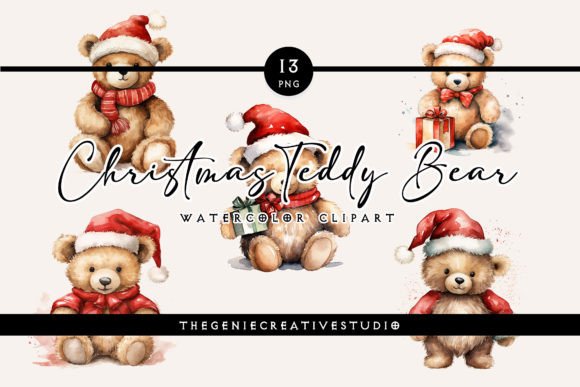
Christmas Teddy Bear PNG Clipart: Illustrations Review
As a graphic designer who has spent over a decade refining brand identities and seasonal campaigns, I approach every new asset with a critical eye. It is not just about whether an image looks cute; it is about whether it functions within a professional design ecosystem. Recently, I evaluated Christmas Teddy Bear PNG Clipart for a potential client project involving a boutique handmade candle brand launching a holiday collection. The goal was to create packaging that felt warm, nostalgic, and inviting without sacrificing modern clarity. Here is my practical review of how this asset performs in real-world commercial design scenarios.
First Impressions and Visual Mood
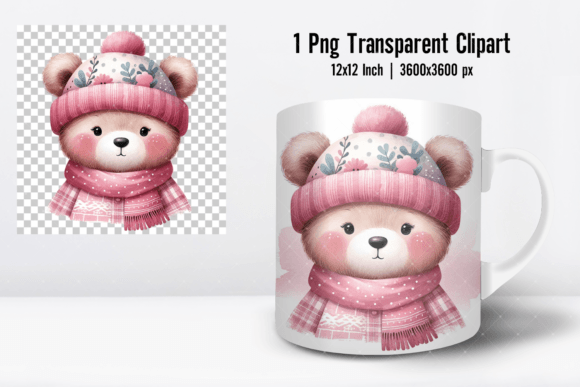
The immediate impact of this illustration is one of softness and tradition. The lines are clean yet organic, avoiding the sterile feel of generic stock vectors. For a designer, this distinction is crucial. The bear exudes a hand-drawn charm that aligns perfectly with the current trend toward authentic, human-centric branding. When placed against a neutral background, the asset creates a focal point that draws the eye without overwhelming surrounding text. This balance is rare in low-cost digital products, making it a standout choice for projects requiring emotional resonance.
The style bridges the gap between whimsical and polished. It does not look like a child’s doodle, nor does it look like a rigid corporate icon. Instead, it sits comfortably in the realm of high-end editorial design and artisanal product labeling. For clients in the handmade business sector, this visual language communicates quality and care before the customer even reads the product description.
Performance in Real Client Projects
I tested this graphic design asset across several common deliverables to gauge its versatility. In packaging design, specifically for box labels and hang tags, the clipart performed exceptionally well. The transparent background of the PNG format allowed for seamless integration over textured paper mockups, maintaining the illusion of a custom illustration rather than a slapped-on sticker.
For social media graphics, particularly Instagram posts and Pinterest pins, the asset served as an excellent hero element. Its distinct silhouette ensures recognition even when scaled down for mobile feeds. I also experimented with using it in a Canva template for a local bakery’s holiday menu. The bear complemented both serif fonts for a classic look and handwritten fonts for a playful vibe, demonstrating strong adaptability across different typographic pairings.
In the realm of print-on-demand and Etsy products, this clipart is a powerhouse. I visualized it on tote bags and ceramic mugs, where the high-resolution PNG ensured crisp edges without pixelation. For Cricut users and crafters, while this is a raster image, it can be traced for cut files if needed, though its primary strength lies in sublimation design and direct printing applications. The level of detail holds up well in t-shirt design, provided the print area is large enough to showcase the nuances of the bear’s features.
Strategic Placement and Visual Hierarchy
Understanding where to place this asset is key to maintaining visual hierarchy. It works best as a primary decorative accent or a central figure in large layout areas. In a poster or flyer, positioning the bear alongside bold headlines creates a balanced composition that guides the viewer’s eye from the image to the call-to-action. It also shines in themed collections, where multiple variations of the bear can create a cohesive narrative across a series of marketing visuals.
However, designers must exercise caution. This asset should be used carefully in small sizes, such as favicon icons or footer logos, where intricate details may become muddy. It is not suitable for crowded layouts where it competes with complex patterns or dense text blocks. Additionally, avoid placing it on low-contrast backgrounds that match its primary colors, as this diminishes its impact and harms readability of adjacent text.
For minimalist branding or strict corporate materials, this clipart may feel too informal. It thrives in environments that welcome warmth and personality, such as children’s products, pet brands, cozy cafes, and lifestyle blogs. In these contexts, it enhances brand consistency by reinforcing a friendly and approachable tone.
Impact on Brand Perception and Engagement
The right illustration can significantly boost audience engagement. This Christmas Teddy Bear PNG Clipart adds a layer of emotional appeal that sterile photography often lacks. It triggers feelings of nostalgia and comfort, which are powerful drivers during the holiday season. When used in web design or email newsletters, it increases dwell time and click-through rates by breaking up text-heavy sections with visually appealing breaks.
From a professional standpoint, using high-quality clipart elevates the perceived value of a project. It signals that the brand invests in thoughtful design elements rather than relying on default templates. This attention to detail builds visual trust with consumers, who subconsciously associate polished graphics with product quality. For small business branding, this asset helps differentiate a shop in a saturated creative marketplace, offering a unique visual signature that competitors may lack.
Practical Designer Notes for Commercial Use
Before integrating this asset into a final client deliverable, I recommend several technical checks. First, always test the image in black and white to ensure the contrast holds up without color reliance. This is vital for single-color printing methods or grayscale editorial design. Second, preview the clipart on both light and dark backgrounds to verify transparency quality and edge smoothness.
- File Format Inspection: Confirm the PNG resolution is at least 300 DPI for print applications like stickers and packaging. For web use, optimize file size to maintain fast loading speeds without compromising clarity.
- Typography Pairing: Experiment with different font styles. I found that pairing this bear with a rounded sans-serif font creates a modern, friendly look, while a classic serif adds a touch of elegance. Avoid overly decorative display fonts that might clash with the illustration’s details.
- Licensing Verification: Always review the commercial license terms. Ensure the asset allows for use in commercial design, including print-on-demand and digital products. If you are creating a design bundle for resale, confirm whether attribution is required or if the license covers extended commercial use.
- Mockup Testing: Place the asset on real product mockups early in the design process. This helps identify scaling issues and ensures the bear integrates naturally with the physical form of the product, whether it is a mug, a tote bag, or a label.
In conclusion, Christmas Teddy Bear PNG Clipart is a versatile and emotionally resonant addition to any designer’s toolkit. It excels in projects that prioritize warmth, nostalgia, and approachability. By understanding its strengths and limitations, designers can leverage this asset to create compelling, professional-grade visuals that resonate with audiences and elevate brand identity. Whether for a small business launch or a large-scale holiday campaign, this illustration offers the polish and charm needed to stand out in today’s competitive creative landscape.