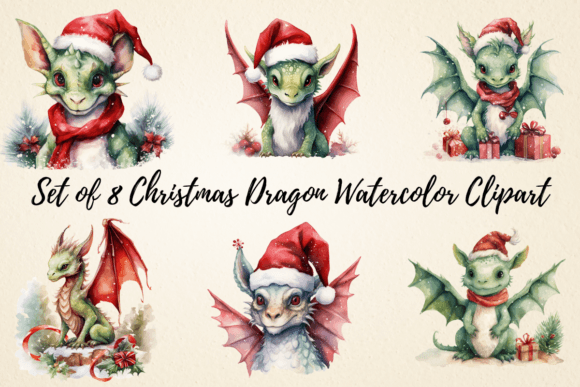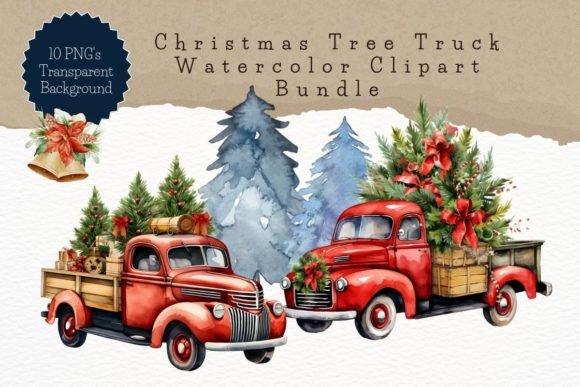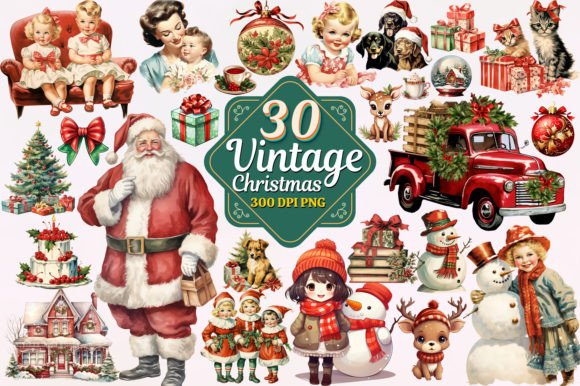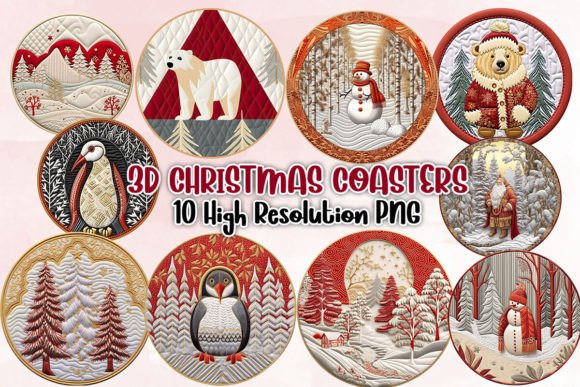
Christmas Owl Watercolor Clipart for Illustrations
As a digital publisher who has spent years refining the visual identity of high-traffic blogs and affiliate sites, I have learned that the right graphic design asset can make or break a content strategy. We often obsess over keyword research and backlink profiles, yet we underestimate the immediate psychological impact of our visuals. When I first opened the files for Christmas Owl Watercolor Clipart, my primary concern was not just aesthetic appeal, but functional versatility. Could this asset hold its own in a competitive feed? Would it enhance reader trust, or would it feel like generic filler?
The first impression is undeniably warm. The watercolor technique brings a softness that balances the crispness of modern web layouts. It feels artistic and seasonal without being overly childish, which is a rare find in holiday-themed resources. For bloggers and content creators, this distinction is vital. You want your site to feel inviting, but you also need to maintain a level of professional polish. This collection leans into a lifestyle-focused mood, perfect for niches ranging from family blogging and education to cozy home decor and seasonal affiliate marketing.
Elevating Editorial Design with Seasonal Charm
In the world of editorial design, consistency is key. However, during the holiday season, audiences expect a shift in tone. They are looking for warmth, nostalgia, and celebration. Integrating Christmas Owl Watercolor Clipart into your workflow allows you to pivot your brand voice visually without abandoning your core identity. I tested these images across several mockups, from newsletter headers to featured blog posts, and the results were compelling.
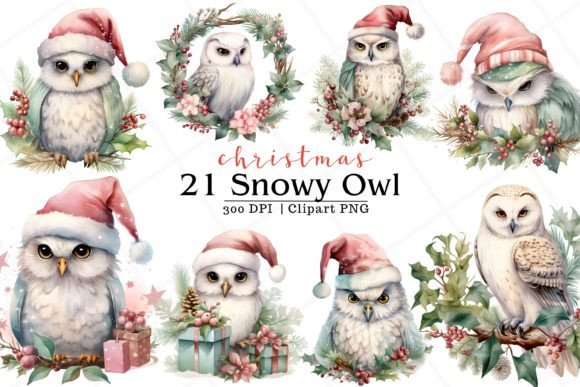
The owl motif itself is versatile. Owls symbolize wisdom and curiosity, making them an excellent fit for educational content, online courses, and literary blogs. When rendered in watercolor with Christmas elements—such as holly, snowflakes, or festive scarves—the imagery becomes approachable. It softens the authority of the subject matter, making complex topics feel more accessible. For instance, if you are publishing a digital guide on holiday budgeting or a lead magnet for winter reading lists, these illustrations provide a friendly entry point for the reader.
Practical Applications for Content Publishers
Let’s discuss real-world usage. As a designer, I look for assets that save time while elevating quality. Here is how I envision integrating this pack into a standard publishing workflow:
- Pinterest Pins: Vertical formats thrive on Pinterest. The intricate details of watercolor art stand out against the cluttered feed. Use the owl as a central focal point, overlaying bold, sans-serif text for high click-through potential.
- Newsletter Graphics: Email open rates often depend on the preview image. A subtle watercolor owl in the header can signal seasonal relevance immediately, increasing engagement during December campaigns.
- Digital Products: If you sell printables, planners, or eBooks, these clips can serve as decorative elements on covers or inside pages. They add perceived value to your digital download offerings.
- Social Media Graphics: For Instagram or Facebook, these images work well as standalone posts or as backgrounds for quote cards. They support a cohesive brand identity that feels curated rather than stock-heavy.
Furthermore, for those utilizing Canva, these elements can be uploaded to create custom templates. This ensures that every Pinterest pin or social update maintains a consistent look, reinforcing recognition among your audience. In content marketing, visual consistency builds trust, and trust drives conversions.
Visual Hierarchy and Reader Perception
One of the most critical aspects of web design is visual hierarchy. Your eyes should naturally flow from the most important element to the next. Christmas Owl Watercolor Clipart aids this process because watercolor images typically have soft edges and varying opacity. This allows text to sit comfortably over or beside the image without creating visual noise.
When I placed these illustrations next to different typography styles, the results varied interestingly. Pairing the soft, organic lines of the owl with a clean sans serif font created a modern, balanced look suitable for tech-savvy lifestyle blogs. Conversely, combining it with a script font or handwritten font amplified the cozy, personal feel, ideal for parenting or food blogs. However, caution is needed with heavy display fonts; the delicacy of the watercolor can be overwhelmed if the text is too bold or bulky.
For affiliate marketing sites, where the goal is to guide users toward a purchase decision, the emotional connection established by these images can be powerful. They reduce the "salesy" feel of a page, making product recommendations appear as part of a curated, thoughtful holiday guide. This subtle shift in presentation can significantly improve reader trust and, consequently, conversion rates.
Where to Use Caution
While these assets are versatile, they are not a one-size-fits-all solution. As an experienced publisher, I must highlight where they might fail. First, avoid using them in serious professional niches such as legal advice, financial auditing, or corporate B2B communications. The playful, artistic nature of the owl may undermine the authority required in those fields.
Second, be mindful of scale. Watercolor details can get lost in small mobile thumbnails. If you are using these for category icons or tiny navigation elements, ensure the contrast is high enough to remain visible. Test your designs on actual devices. What looks crisp on a 27-inch monitor may appear muddy on a smartphone screen. Additionally, avoid placing these images on busy, patterned backgrounds. The soft edges of watercolor need negative space to breathe. A cluttered layout will diminish the impact of the art and confuse the visual hierarchy.
Technical Considerations for Web Performance
A beautiful image is useless if it slows down your site. Page speed is a ranking factor, and large, uncompressed files can hurt your SEO. When working with Christmas Owl Watercolor Clipart, always check the file size. If you are receiving high-resolution PNGs, you must compress them for web use. Tools like TinyPNG or ImageOptim can reduce file size without noticeable quality loss.
Also, consider the format. For transparent backgrounds, PNG is standard. However, if the background is solid, converting to WebP can offer better compression rates for modern browsers. Always preview the image in your actual CMS (Content Management System) before publishing. Check how it interacts with your theme’s default padding and margins. Sometimes, a slight adjustment to CSS is needed to ensure the image aligns perfectly with your text blocks.
Licensing is another non-negotiable aspect. Before using any design assets in monetized content, confirm the commercial license terms. Ensure you are allowed to use the clips in products you sell, such as printable designs or Canva templates. Most reputable marketplaces provide clear guidelines, but it is your responsibility as a publisher to adhere to them to avoid legal issues.
Final Thoughts for Creative Entrepreneurs
In the crowded digital landscape, standing out requires more than just good writing. It demands a cohesive visual strategy. Christmas Owl Watercolor Clipart offers a blend of artistic charm and functional flexibility that can enhance your small business branding during the holiday season. Whether you are designing a website header, crafting a lead magnet, or updating your social media presence, these illustrations provide the polish needed to captivate your audience.
Remember, the goal is not just to decorate, but to communicate. Use these assets to reinforce your message, guide your reader’s eye, and create a memorable user experience. By integrating high-quality Illustrations like these into your content pipeline, you elevate your brand from amateur to professional, building the trust necessary for long-term success in the digital marketplace.